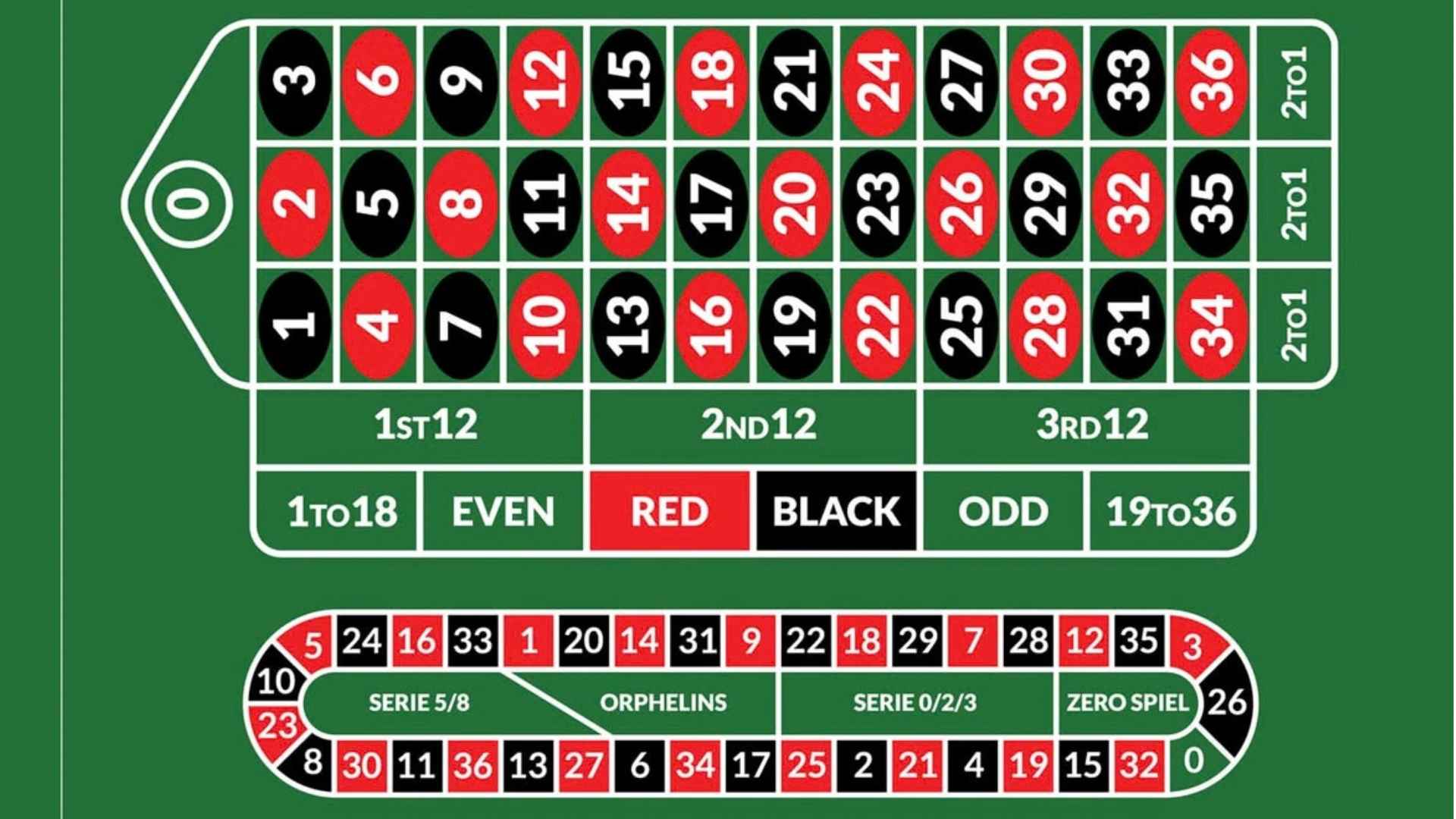
Engaging with numerical puzzles does much more than test basic math skills; it trains the mind to notice subtle visual details and recurring patterns. Many players discover that regular practice with grid layouts significantly improves their peripheral focus and detailed scanning capabilities. By approaching these challenges with a deliberate strategy, you can turn a simple pastime into an effective tool for boosting daily attention spans.
The Dynamic Between Numbers and Visual Tracking
Most advanced number puzzles rely on a strict matrix where the position of every single digit is determined by surrounding clues. To solve them efficiently, players must learn to scan broad layouts without overlooking microscopic discrepancies in the rows. This continuous shifting between macroscopic structure and microscopic details builds exceptional visual stamina over time.
As you become familiar with these spatial setups, your brain naturally maps out faster scanning routes to process numerical information. Many enthusiasts choose to explore trusted interactive spaces like M88 Login alternatif to find community challenges that offer varied structural designs. Immersing yourself in diverse puzzle architectures ensures your mind remains highly adaptive and sensitive to tiny contextual alterations.
Developing Systemic Elimination Techniques
Better observation is not just about looking closely at a layout; it involves understanding what missing information implies about the rest of the board. Expert solvers analyze blank squares not as empty space, but as overlapping zones of logical constraints that dictate future placement options. This mental process requires you to notice subtle cues that untrained observers easily miss during casual inspection.
By practicing this disciplined approach, you train your mind to automatically cross-reference multiple variables before reaching a final decision. Over time, this heightened awareness transitions from digital puzzles into real-world tasks that require deep concentration and data verification. The ability to spot anomalies quickly becomes a natural extension of your daily cognitive routine.
Long Term Benefits of Focused Visual Training
Consistently challenging your perceptual boundaries through number games can have an immensely positive impact on long-term memory maintenance and mental processing speeds. Studies show that active visual tracking exercises strengthen neural pathways in the prefrontal cortex responsible for working memory. Keeping these areas active ensures you remain sharp and detail-oriented as you tackle everyday responsibilities.
Furthermore, the methodical nature of numerical tracking provides a relaxing escape that lowers stress while keeping the intellect fully engaged. Dedicating just ten minutes a day to a complex matrix grid can systematically condition your focus for maximum efficiency. The journey toward superior observational skills offers immediate personal rewards and lasting intellectual benefits for players of all backgrounds.