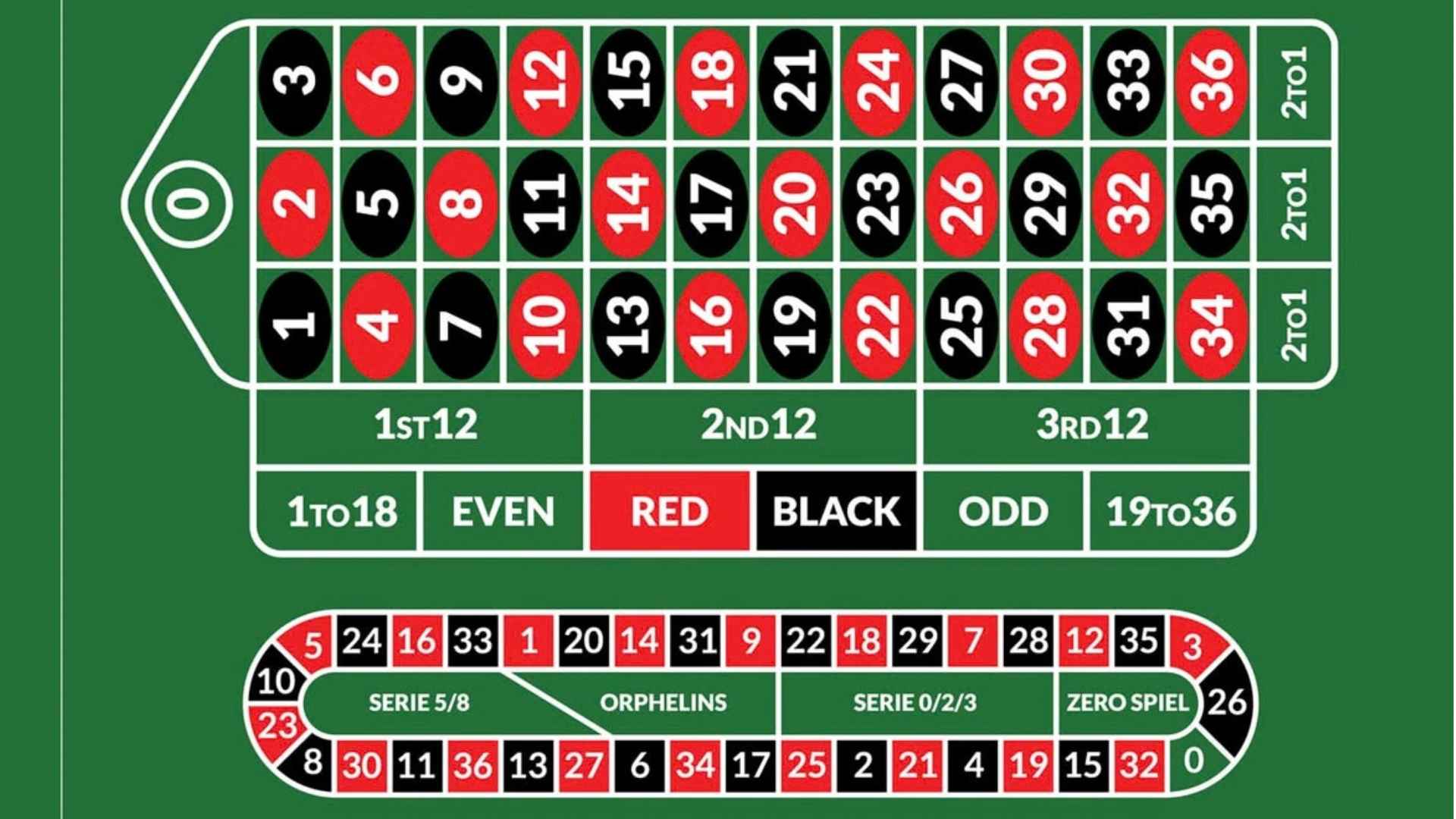
Engaging in tabletop activities does far more than pass the time during a rainy afternoon or a social gathering. Many classic and modern table games serve as structured environments where players must analyze risks, predict opponent moves, and make calculated choices under pressure. Over time, these playful exercises help individuals develop cognitive strategies that naturally translate into better decision-making habits in daily life.
The Value of Incomplete Information
Many traditional card games require players to navigate situations where some variables remain entirely hidden from view. This lack of complete data forces participants to rely on probability, behavioral observation, and risk assessment to determine their next move. By constantly calculating potential outcomes, players learn to make peace with uncertainty and avoid making impulsive choices.
This mental discipline is highly beneficial for individuals looking to sharpen their strategic thinking skills in competitive environments. Players who enjoy analyzing these complex statistical scenarios often search for a secure m88 asia login to test their analytical skills in live settings. Over time, mastering these risk-reward calculations trains the brain to remain analytical and objective during real-world negotiations.
Patience and Long Term Planning in Chess
Chess stands as one of the ultimate tests of mental fortitude and foresight, demanding that players look several turns into the future. Because there is no element of luck involved, every success or failure rests entirely on the quality of your strategic planning. This setup teaches players to accept the consequences of their actions and understand how minor choices impact long-term goals.
Furthermore, the game heavily punishes short-sighted moves and emotional reactions on the board. Players must constantly balance their offensive desires with protective measures to keep their key pieces safe. This deliberate pace of thinking cultivates a habit of pause and reflection that helps prevent hasty real-life decisions.
Resource Management and Cooperative Play
Managing limited resources under a shared time limit teaches players how to prioritize urgent needs over minor desires. It also highlights the importance of listening to alternative perspectives before finalizing a plan of action. These collaborative experiences build high levels of cognitive flexibility and emotional intelligence in social settings.