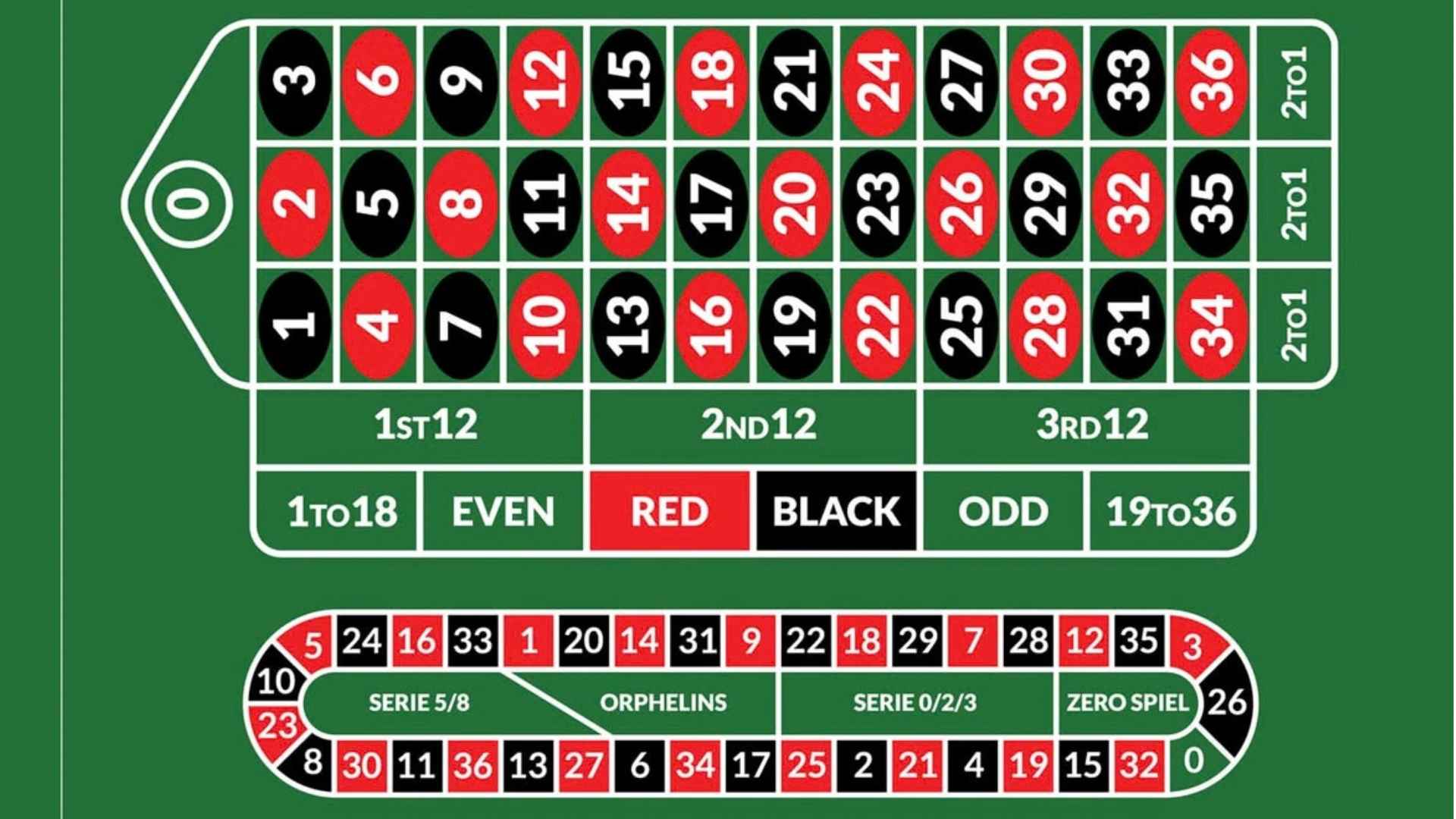
Human behavior is intrinsically tied to the desire for discovery, making the relationship between random selection and innate curiosity a compelling topic of study. When faced with unpredictable outcomes, the mind naturally shifts into a state of heightened awareness and anticipation. Understanding this dynamic offers valuable insights into how people engage with uncertain environments in their daily lives.
The Psychological Spark of Uncertainty
Uncertainty acts as a catalyst for cognitive engagement, compelling individuals to seek out information to fill knowledge gaps. When an outcome is not predetermined, the brain releases neurotransmitters that heighten focus and emotional investment. This instinctual drive transformed survival mechanisms into a fundamental aspect of modern entertainment and decision-making.
Curiosity thrives in environments where outcomes remain variable rather than static. When a process introduces pure chance, people naturally pay closer attention to observe the final result. This persistent search for resolution keeps individuals actively involved in dynamic experiences.
How Random Selection Enhances Engagement
Introducing random mechanics into ordinary choices transforms routine actions into memorable events. The element of surprise triggers a natural exploratory response that prevents interest from fading over time. Consequently, systems built around chance consistently capture human attention more effectively than predictable alternatives.
Digital platforms frequently utilize these behavioral traits to keep users interested and returning for new interactions. For instance, exploring various online features through an m88 link provides access to interactive environments that rely on dynamic, chance-based outcomes. These mechanisms satisfy the natural human urge to discover what happens next in real time.
The Value of Embracing Unpredictable Choices
Surrendering control to a randomized process offers temporary relief from the mental effort required by complex decisions. By removing personal bias, individuals allow chance to guide them toward new and unexpected possibilities. This willingness to explore unknown paths frequently fosters creativity and fresh perspectives.
Embracing unexpected results also builds psychological resilience by teaching individuals to adapt quickly to new circumstances. Learning to accept unpredictable moments encourages flexibility in both personal routines and problem-solving strategies. Over time, this openness transforms simple curiosity into a practical life skill.
Building Meaning From Random Outcomes
Even in situations governed purely by probability, the human mind instinctively searches for meaningful connections. People often reflect on randomized results, projecting personal significance onto the chosen path. This cognitive habit highlights how deeply curiosity is woven into human interpretation and reasoning.
Ultimately, the connection between random selection and curiosity demonstrates our ongoing desire to explore the unknown. Whether through casual decision tools or complex interactive systems, chance continues to serve as a gateway to new discoveries. Embracing this relationship allows individuals to turn ordinary choices into engaging experiences.