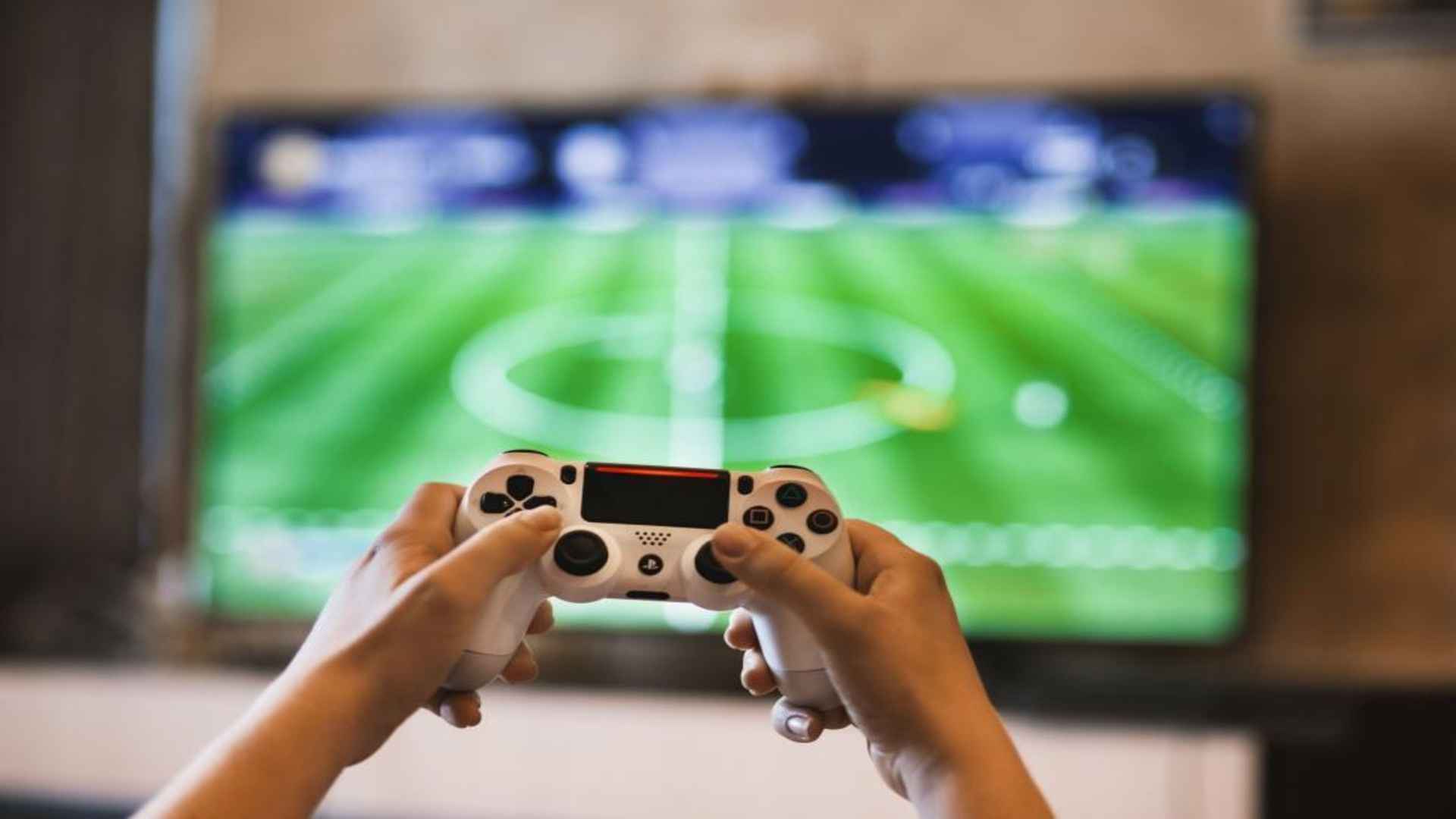
Understanding how your gamepad communicates movement to your screen is essential for improving accuracy and responsiveness in modern video games. The controller deadzone plays a pivotal role in determining how far an analog stick must move before in-game action takes place. Fine-tuning this setting can completely transform your overall control and combat performance across various genres.
Understanding Inner and Outer Deadzones
An inner deadzone represents the small neutral area around the thumbstick's central resting position where physical movement is entirely ignored. Setting this value too high forces players to push the stick significantly further before their character or camera reacts. Conversely, an outer deadzone defines the outer perimeter where maximum input capacity is reached during full stick deflection.
When the outer deadzone is lowered slightly, achieving full acceleration or sprinting requires less physical effort on worn analog sticks. Balancing both inner and outer parameters ensures that every micro-adjustment feels fluid and predictable. Finding the ideal balance prevents sluggish controls while preserving the subtle movement nuances needed for complex maneuvers.
How Deadzone Adjustments Impact Gameplay Responsiveness
In fast-paced competitive games, responsiveness often determines who wins intense gunfights or navigates tight corners successfully. A lower deadzone provides instantaneous response times, making subtle aiming adjustments feel far more direct and tactile. However, dropping the setting too close to zero can accidentally expose slight mechanical imperfections in your hardware.
This unwanted camera movement is commonly known as stick drift, which occurs when resting thumbsticks send false signals to the console or PC. To combat this issue, players can adjust input thresholds within their title settings or utilize specialized utility tools like to identify exact resting noise. Gradually increasing the value by small increments silences unprompted drift while maintaining optimal aiming precision.
Selecting the Ideal Deadzone Settings for Different Genres
Different game genres demand distinct physical responsiveness and control profiles from your gaming hardware. First-person shooters generally benefit from tighter, smaller deadzones between three and eight percent to enable rapid flick targeting. On the other hand, racing simulations and casual platformers often perform better with slightly larger deadzones to avoid accidental steering corrections.
Testing your setup through practice modes before jumping into competitive matches allows you to find your personal sweet spot safely. Over time, maintaining consistent input thresholds builds reliable muscle memory across different titles. Regularly checking your controller hardware ensures that wear and tear never compromise your gaming experience.